Christian Science Monitor9 min read
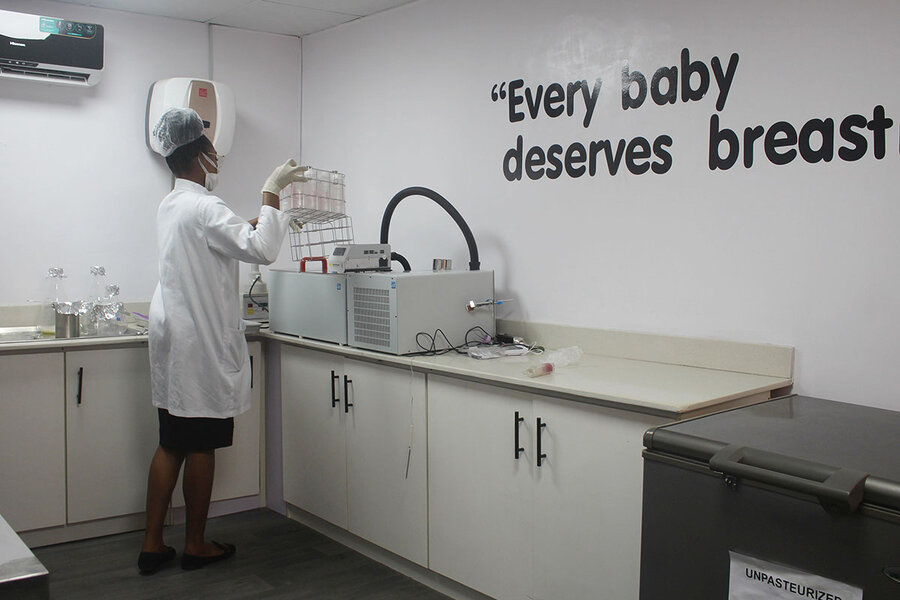
Saving African babies' lives by banking mothers' milk
An article on initiatives to save infant lives in Africa through human milk banking.
May 12, 2023Health
HealthTechnologyBabiesAfrica
Here’s a selection of my investigative pieces, feature stories, and multimedia projects that showcase the depth and breadth of my work in contemporary journalism.
An article on initiatives to save infant lives in Africa through human milk banking.
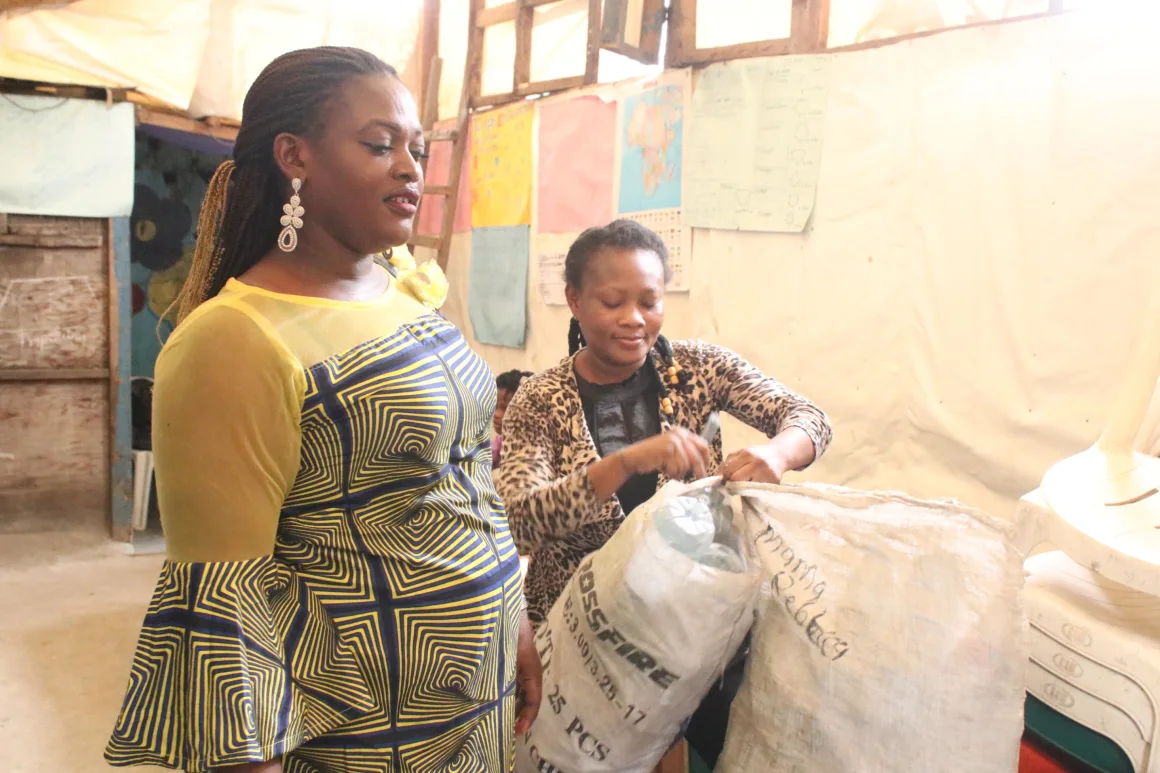
An article about a circular economy model that enables parents from impoverished Nigerian slum communities to pay their children's school fees by swapping discarded plastic bottles, also known as PET bottles. This circular economy model not only provides a solution for educational financing but also encourages recycling and environmental sustainability.

Lagos's energy and vibrant nightlife earned it a reputation as a city that never sleeps. Chaotic yet magnetic, it is Africa's most populous city after Cairo, with an estimated 22 million people. But the same dynamism powering its growth is also driving its housing market to breaking point.
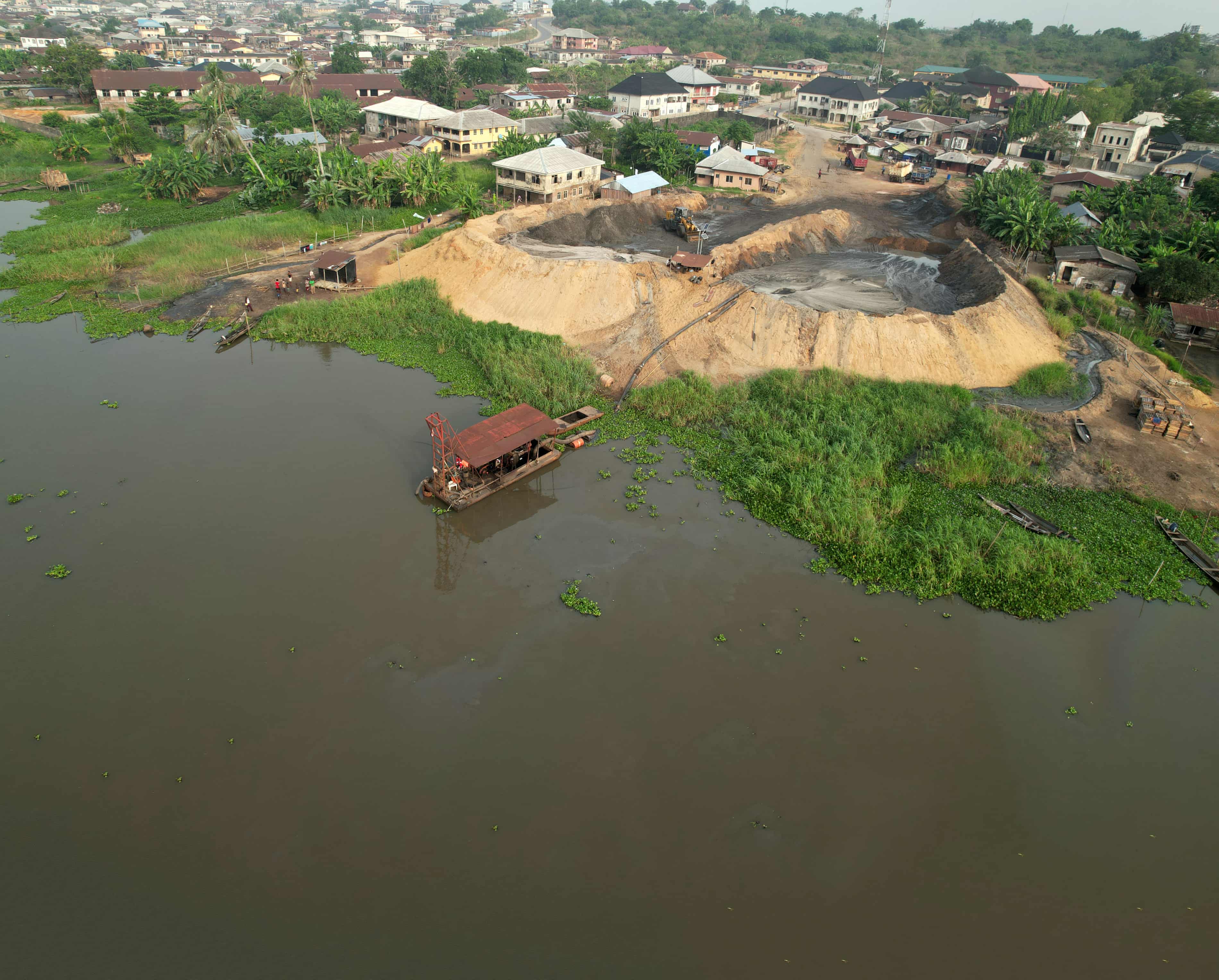
Declining fish populations are a common complaint in coastal areas and are often linked to the climate crisis, affecting water temperature, rainfall and fish distribution. But fishers and fish merchants also say the lagoon floor has changed: deeper dredged channels, murkier water, swirling currents, and nets snagging on an uneven bed.
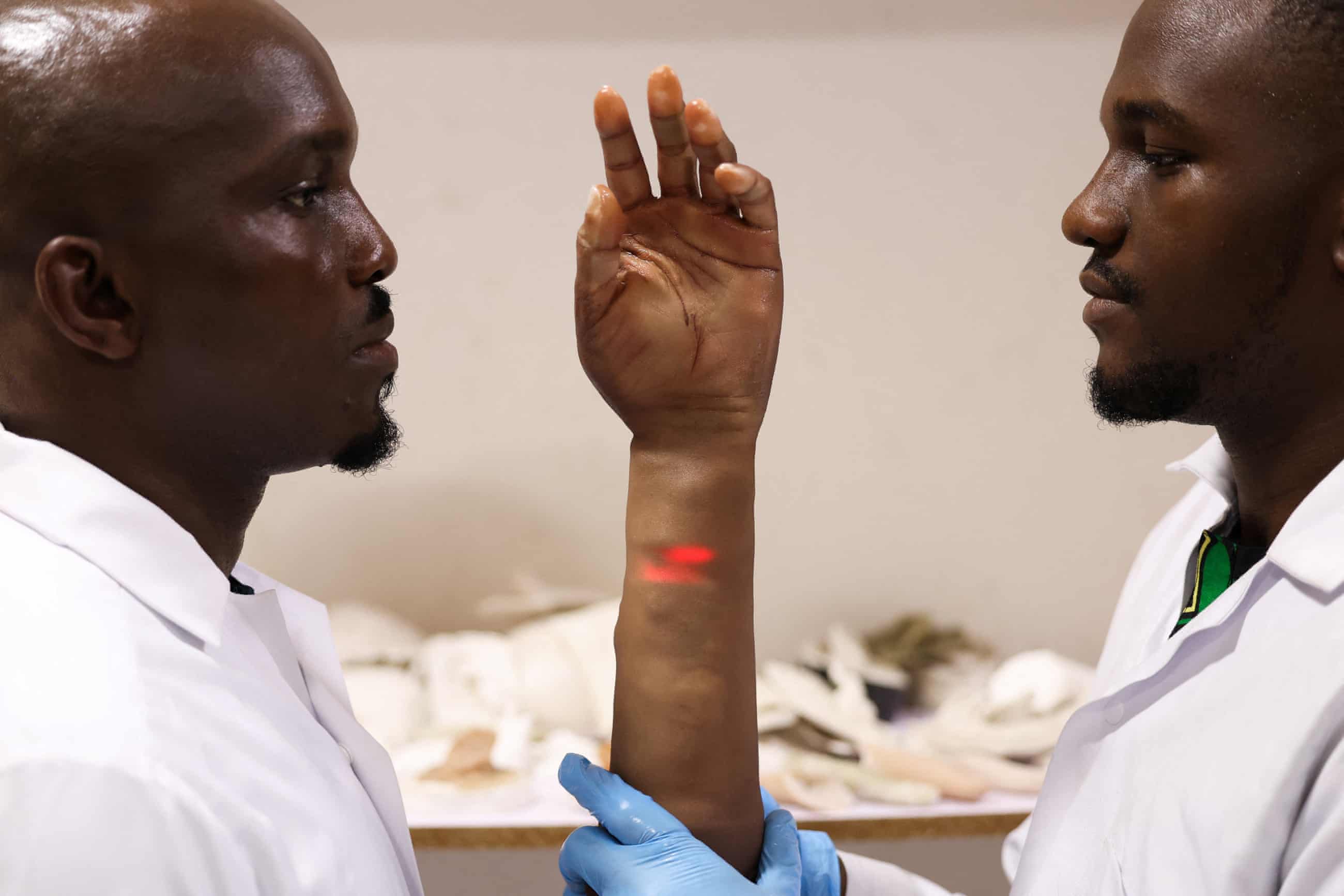
After a firecracker accident cost Ubokobong Amanam his fingers in 2019, he discovered that prosthetics in Nigeria are difficult to access: expensive, foreign-made, and rarely suited to African users. For millions in Africa, amputation means not only losing a limb but also facing social and economic exclusion.

With many unable to access or afford qualified therapists, AI is increasingly stepping in to fill the mental healthcare gap, even as calls for tighter regulation grow louder. Focusing on Nigeria, this article explores the rise of AI mental-health chatbots in a context where limited access to professionals is driving more people toward digital support. It weighs their benefits—especially affordability and anonymity—against concerns about privacy, regulation, and the fundamental limits of AI compared with human care.
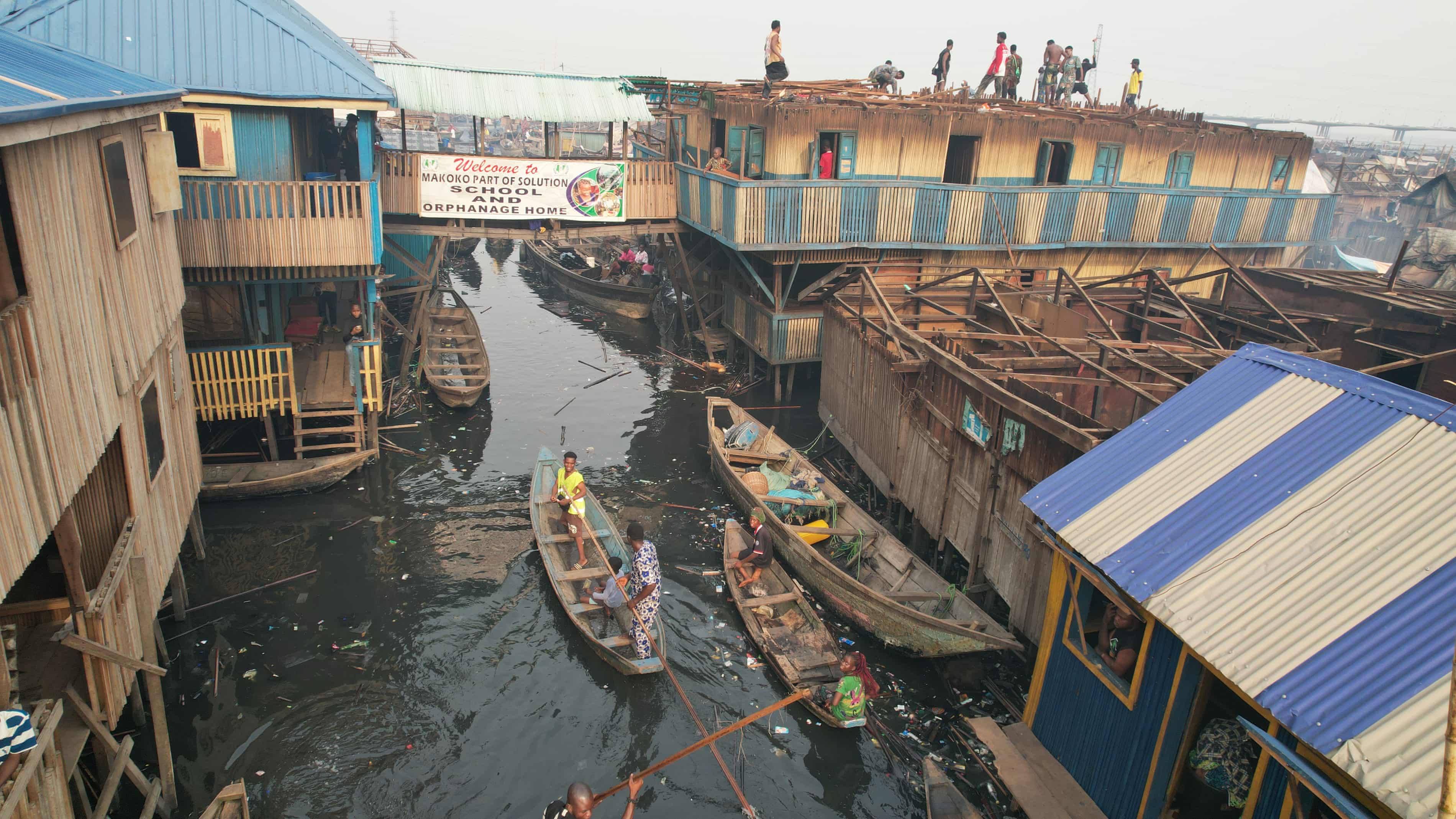
In December 2025, excavators arrived under the cover of darkness in Makoko, Nigeria's largest floating slum, destroying homes, schools, churches, businesses, and lives. In this community, homes and livelihoods coexist. Nets are repaired, fish are smoked, canoes are carved, and children are taught. But this demolition broke that coexistence.

For those who get a diagnosis, the costs of radiotherapy and chemotherapy can be prohibitive. Each round costs between 600,000 and 1.5m naira – and at least three sessions are usually required for early-stage breast cancer. Cancer drugs can cost about 300,000 naira a month – 10 times the minimum monthly wage in Nigeria.
I'm always looking for compelling stories to investigate and meaningful projects to contribute to. Let's discuss how we can work together.
Get In Touch